REVIEW · YOGYAKARTA
1 day tour borobudur temple,prambanan temple,plaosan temple
Book on Viator →Operated by Borobudur temple Tour · Bookable on Viator
Three temples, one efficient Java day.
This tour is a smart way to tick off Borobudur, Plaosan, and Prambanan without stressing over timing, because you get hotel pickup, an air-conditioned car, and an English-speaking driver to help the day run smoothly. I especially like that the stops aren’t rushed into cookie-cutter photo ops. With guides like Rio, who took time to chat and match the plan to what I wanted to see, I had room to wander and actually look. And when Edho is on the job, the day feels cared for and well-paced, from on-time pickup to help finding your way at each temple site.
A small catch: entrance tickets are not included, so the real cost is your $105 plus temple entry fees.
The temples are different enough that your brain has to reset between them, and that’s exactly why this day trip works. Still, if you’re the type who wants to spend hours reading every relief and climbing higher for every view, the time windows at each stop may feel short.
In This Review
- Key highlights you should know before you go
- How this private 8–10 hour plan actually feels in Yogyakarta
- Borobudur: the world’s biggest Buddhist monument, built for looking up
- Plaosan: the Hindu–Buddha story most people skip
- Prambanan: 9th-century Hindu temples and the 47-meter Shiva tower
- What’s included in the $105 price—and where the value actually comes from
- Timing, transport, and the small comfort wins
- How to get the most out of each stop (without turning it into a checklist)
- Who this tour is best for
- Should you book this Borobudur–Plaosan–Prambanan day trip?
- FAQ
- How long is the Borobudur, Plaosan, and Prambanan tour?
- Is hotel pickup included?
- Is this a private tour?
- What’s included in the price of $105?
- Are entrance tickets included?
- Do I get a mobile ticket?
- Can I cancel for a refund?
- Is an English-speaking driver provided?
Key highlights you should know before you go
- Hotel pickup plus private air-conditioned transport for an 8–10 hour day.
- Three major temple complexes: Borobudur, Plaosan, and Prambanan.
- English-speaking driver who can explain what you’re looking at and help you navigate.
- Time to wander instead of being herded the whole visit.
- Mobile ticket provided for the tour, while temple admission is separate.
- Plaosan’s Hindu–Buddha blend at Bugisan village, off the main crowds.
How this private 8–10 hour plan actually feels in Yogyakarta
Yogyakarta is famous for temple days, but the best part of a private format is how it protects your energy. With pickup and a dedicated vehicle, you’re not timing tuk-tuks, rerouting buses, or losing time to “where’s the pickup?” confusion. You sit back, drink the bottled water provided, and use the car ride to start learning what you’re about to see.
I also like the pacing built into the day. Borobudur gets about 2 hours, Plaosan about 1 hour, and Prambanan about 2 hours—so you get real time at the big hitters, and enough time at Plaosan to appreciate its special angle. The remaining hours cover driving, breaks, and the natural slow-down that happens when you’re staring at ancient carvings.
Because it’s only your group, you’re free to linger when something catches your eye. That flexibility is exactly what people praised—being able to spend as much time as you want at the sites, instead of being yanked along.
More Prambanan-combined tours at Borobudur & Central Java
Borobudur: the world’s biggest Buddhist monument, built for looking up
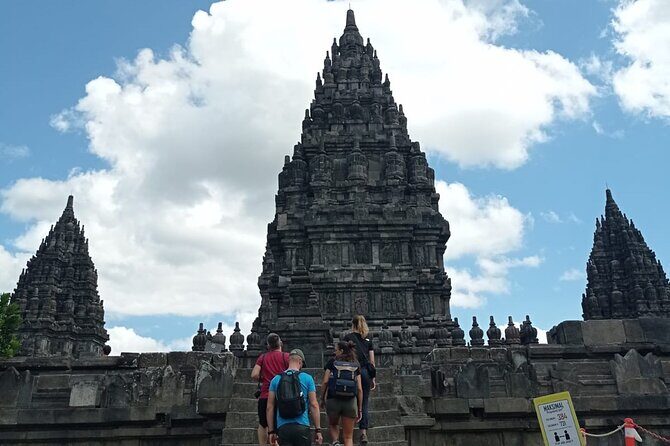
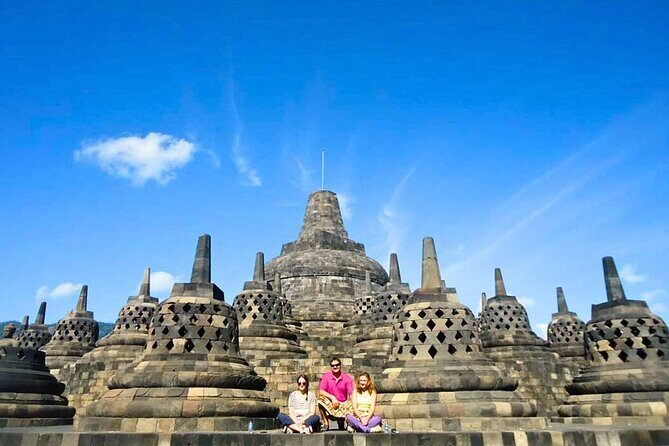
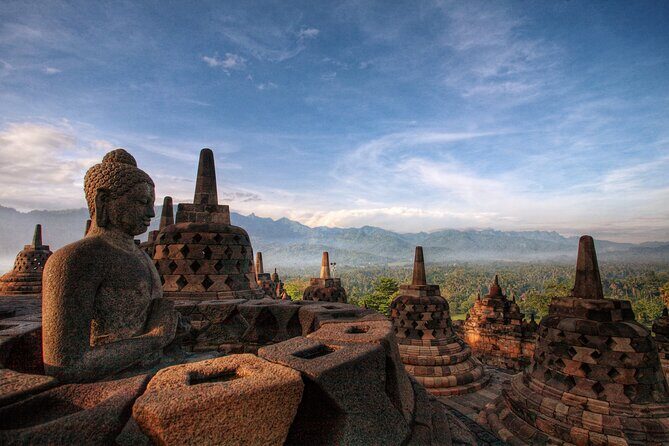
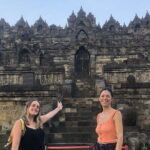
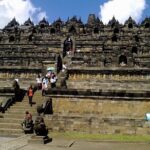
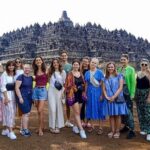
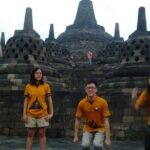
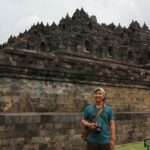
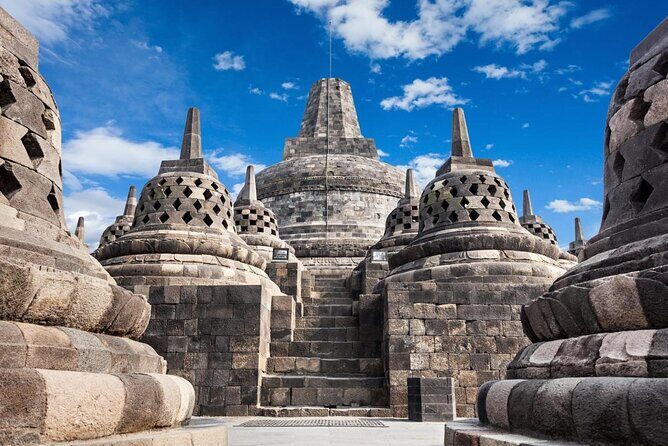
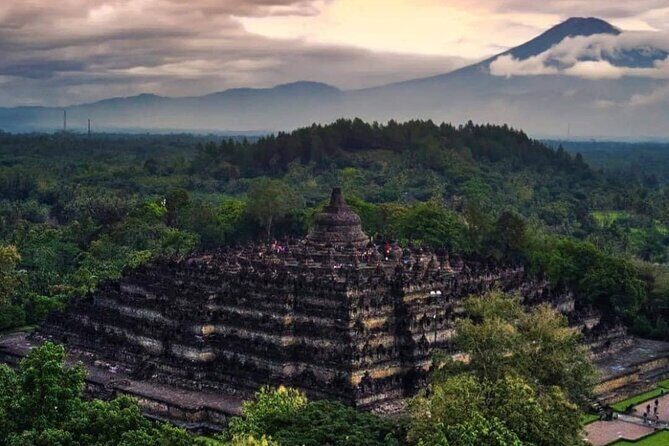
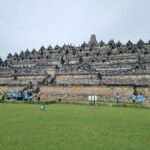
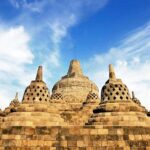
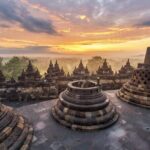
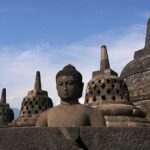
Borobudur is the reason most people come to this part of Java. It’s the largest Buddhist temple in the world, built in the 8th century, and it’s arranged as nine stacked platforms. The structure works like a visual staircase: six square levels leading into three circular levels, pulling your gaze upward as you move.
What I love about visiting Borobudur on a planned day trip is that you can treat it like a real route through layers, not just a single viewpoint. You’ll want to walk the temple grounds, pause often, and take in how the monument is designed to be read slowly. The stacked-platform layout means it never looks the same from one corner.
One practical consideration: Borobudur can be intense visually. Even with a solid 2 hours, it’s easy to feel like you’re rushing if you’re chasing the “perfect” angle. If you care most about details, aim for a steady pace and pick a few reliefs or sections to really focus on.
A note from guides and schedules you may run into: some day tours do Borobudur around sunrise. If your plan includes that timing, it’s a different mood entirely—quieter, cooler, and great for taking your time before the crowds thicken. The idea showed up clearly in guide feedback, with Edho making sunrise a memorable moment.
Plaosan: the Hindu–Buddha story most people skip
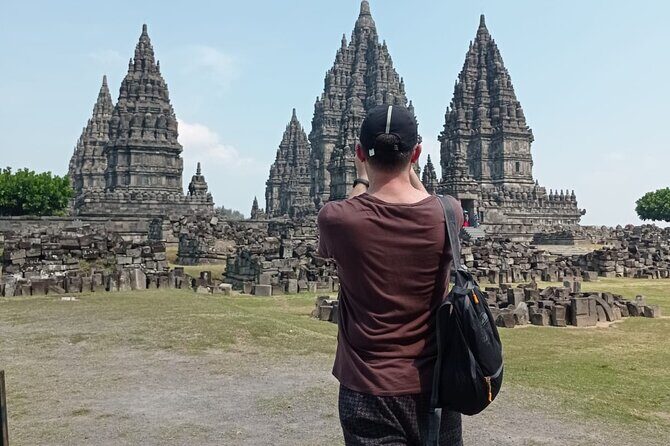
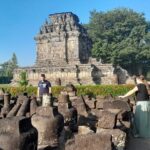
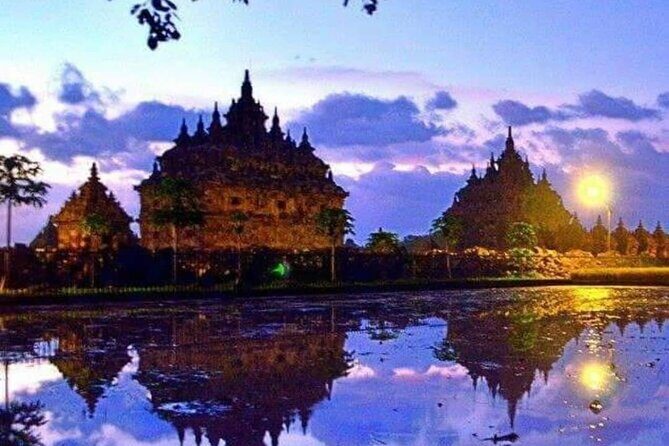
Plaosan is where this tour quietly becomes more interesting. It’s located in Bugisan village, about 5 kilometers from Prambanan, and it’s known for combining Hindu and Buddhist architecture in one temple site.
Here’s the key detail: Plaosan was built by Rakai Pikatan for his wife, Pramudyawardani, who is tied to Buddhist tradition. Because of that connection, the temple is often described with the idea of Siwabudha, a cultural and spiritual blend of Hindu and Buddhist elements. You’ll feel this mix as you move around the structures—different motifs side-by-side, different design languages in the same complex.
The reason I think this stop is valuable is simple: most temple days in Yogyakarta focus on just Borobudur and Prambanan. Plaosan gives you an extra layer of “wait, there was more going on here than I assumed.” Even if you only spend about 1 hour, you’ll come away with a better sense of how Hindu and Buddhist traditions could share space in Java’s past.
Downside? If you’re expecting Plaosan to be as huge as Borobudur or as tall and dramatic as Prambanan, you might feel it’s smaller. That’s not a flaw—it’s just a different kind of visit. Plan to enjoy it as a focused, interpretive stop, not a full-day quest.
Prambanan: 9th-century Hindu temples and the 47-meter Shiva tower
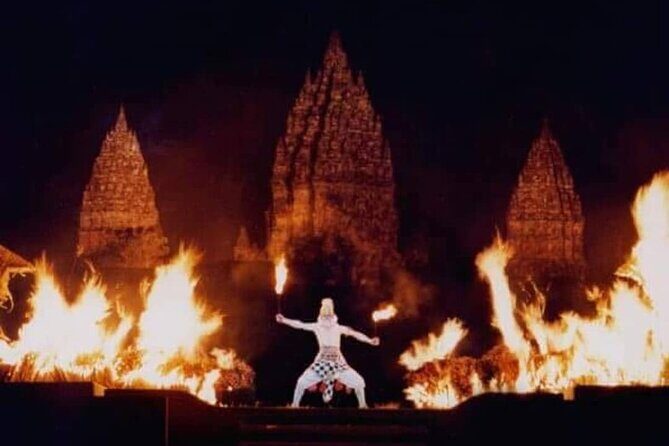
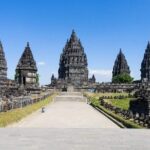
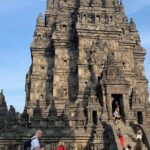
Prambanan is the big Hindu counterpart in this region. It’s a 9th-century Hindu (Shiva) temple complex and is described as the largest Hindu Shiva temple complex in Indonesia. The temple complex is dedicated to Trimurti, the three main Hindu gods: Brahma (creator), Vishnu (guardian), and Shiva.
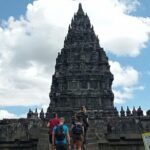
The headline feature is the scale—Prambanan includes towering structures, with the main temple often noted as reaching about 47 meters high. The ornaments and vertical design are what hit you first. Compared to Borobudur’s stacked platforms and layered walkways, Prambanan pulls your attention upward with tall spires and dense decoration.
When you have around 2 hours at Prambanan, you can do more than just a quick circuit. You can compare areas, step back to get the full composition, and then return for close viewing of details. It’s also the stop where an English-speaking driver really adds value, because the Trimurti concept and the overall layout help you understand what you’re looking at instead of just seeing stone patterns.
One consideration: Prambanan feels like a “main event,” which can mean stronger focus on the central areas. If you like exploring at a slower pace, you might still wish you had a bit more time. The good news is that a private guide style (like what Edho and Rio did for visitors) often means you can pace yourself rather than feel clocked.
What’s included in the $105 price—and where the value actually comes from
On paper, $105 for a 1-day trip sounds straightforward. In real life, the value depends on what’s bundled.
This price includes:
- Bottled water
- Fuel surcharge and parking fees
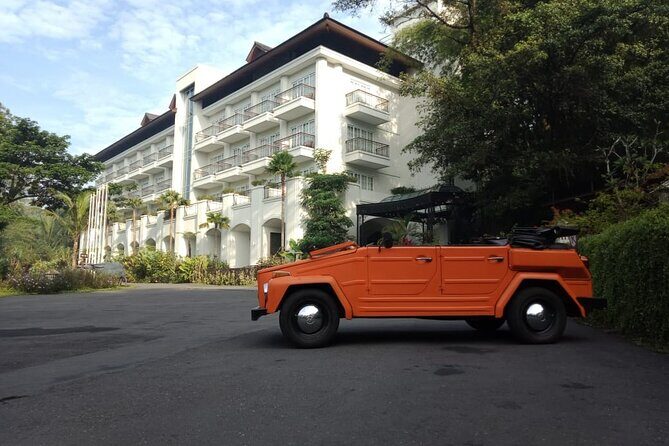
- An air-conditioned vehicle
- Private transportation
- An English-speaking driver
It also includes a mobile ticket for the tour experience itself.
What it does not include:
- Entrance tickets for the temples
That last part matters because it affects your final budget. But the tradeoff is that you’re paying for the logistics and local help—car, driver, and guidance—rather than packing the price with entrance fees you might pay anyway.
I also like that the tour is private: only your group participates. If you’re traveling as a pair or small group, that changes the math. Instead of paying more to rent a car plus figure out where to go and how to interpret it, you’re buying a driver who can explain and help you find your way between sites.

Timing, transport, and the small comfort wins
This is an 8–10 hour day, which is long enough to feel like a full commitment but not so long that you’re totally drained. The biggest comfort win is that you’re not hopping between modes of transport. You’re in one car for long stretches, with air-conditioning, and you have bottled water on hand.
Another practical win: pickup is offered, so you don’t have to coordinate meeting points. And since confirmation is received at booking, you’re not left guessing whether the day is really lined up.
Most importantly, you can count on the plan being built for a single group rather than a mixed crowd. That often makes a huge difference when you’re moving between three different temple complexes, because you spend less time waiting and more time actually seeing.
How to get the most out of each stop (without turning it into a checklist)
Here’s the mindset I recommend for a day like this: you’re not trying to memorize every panel. You’re trying to catch the design logic of each temple.
- At Borobudur, walk with intention. You’ll see nine stacked platforms, and the shape of the monument changes your perspective as you rise. Don’t just aim for the widest view—pause and look at how the levels are structured.
- At Plaosan, treat it like a short lesson in cultural blend. The site combines Hindu and Buddhist architecture, and it’s tied to Rakai Pikatan and Pramudyawardani, with the Siwabudha idea in the background. If you try to rush it, you’ll miss why it’s different.
- At Prambanan, shift your attention upward. This is the 9th-century Shiva temple complex built with vertical drama. Focus on the Trimurti theme and the relationship between the main structures and the ornamentation.
If you get a guide with good English and a flexible approach, you’ll get more out of the time you have. Rio’s style—taking time to chat and matching the plan to interests—was a big reason the visit felt personal. Edho’s focus on taking care of the day, arriving on time, and helping you find your way at each temple made the whole route feel less stressful.
Who this tour is best for
This is a great choice if you want:
- A single-day plan that hits the three headline temples around Yogyakarta
- Private logistics (pickup, dedicated car, one group)
- An English-speaking driver to help you understand what you’re seeing
- Enough time to wander, rather than just stop, snap, and go
I’d especially recommend it if you’re on a tighter schedule and don’t want to plan routes across Central Java on your own. It also works well if you care about learning small context points—like why Plaosan is tied to a Hindu–Buddhist blend—without spending weeks building a deep research notebook first.
If you’re the type who wants to spend most of your day inside museums or wants a slower, hour-by-hour detailed archaeology approach, you might feel the time limits. But for many visitors, the 8–10 hour format is exactly right.
Should you book this Borobudur–Plaosan–Prambanan day trip?
Yes—if your priority is seeing these three major temple complexes in one organized, private day with a driver who can explain things in English and help you navigate between sites.
It’s especially worth considering if:
- You want comfort and fewer logistics headaches (air-conditioned private transport and pickup)
- You like having some freedom to linger at the temples
- You’re curious about Plaosan’s Hindu–Buddha connection, not just the two famous giants
Book with a small budget mindset for the missing piece: entrance tickets are not included, so factor that into what you’ll spend overall. If you do that, this tour is a strong value way to experience the best of Yogyakarta’s temple spotlight—plus one stop that adds real character.
FAQ
How long is the Borobudur, Plaosan, and Prambanan tour?
The tour runs about 8 to 10 hours.
Is hotel pickup included?
Yes, pickup is offered.
Is this a private tour?
Yes. It’s private transportation, and only your group participates.
What’s included in the price of $105?
The tour includes bottled water, fuel surcharge, parking fees, an air-conditioned vehicle, private transportation, and an English-speaking driver.
Are entrance tickets included?
No. Entrance tickets are not included.
Do I get a mobile ticket?
Yes, the tour includes a mobile ticket.
Can I cancel for a refund?
Yes. You can cancel up to 24 hours in advance for a full refund.
Is an English-speaking driver provided?
Yes, the tour includes an English-speaking driver.