REVIEW · YOGYAKARTA
From Yogyakarta: Borobudur &Prambanan-Bromo-Waterfall-Ijen 6 Days
Book on Viator →Operated by Asmaradhana Borobudur Tours · Bookable on Viator
Java is a lot of island. This 6-day route is a smart way to see the big hits. You cover Borobudur, Prambanan, and major volcano stops without forcing yourself to plan every long drive day by day.
Two things I really like: you get a full temple-to-crater mix in one package, and the itinerary is built around early starts (sunrise and night hikes) so you don’t miss the best light and timing. One consideration: it is an intense schedule with long travel and very early departures, so you’ll want decent stamina and good shoes.
In This Review
- Key highlights you should know before you go
- A 6-Day Java Circuit: Temples, Caves, Volcano Sunrises, Then Bali by Ferry
- Price and Logistics: Is $790 a fair deal for this much ground?
- Day 1: Borobudur sunrise timing, Merapi off-road, then Prambanan
- Day 2: Jomblang Cave rappels and the float-tire ride in Pindul
- Day 3: The long transfer into the Tumpak Sewu area (and why you should expect traffic)
- Day 4: Tumpak Sewu waterfalls, cave stop, and Nirwana Cliff
- Day 5: Bromo sunrise and the 4WD jeep advantage
- Day 6: Ijen blue fire at night, plus the gas respirator and flashlight
- Where you stay: practical included hotels across East Java
- The included support that makes or breaks a trip like this
- Who this tour is best for (and who should think twice)
- Two ways to do it: with or without extra Yogyakarta hotel days
- Practical tips so you enjoy every day instead of just surviving it
- Should you book this Java to Bali circuit?
- FAQ
- How long is the Borobudur & Prambanan – Bromo – Waterfall – Ijen tour?
- What’s included in the price?
- Is the ferry to Bali included?
- Do I need to buy tickets for Borobudur, Prambanan, and the other sites?
- What gear is provided for the Ijen blue fire hike?
- Is there an option to add hotel time in Yogyakarta?
Key highlights you should know before you go
- Borobudur and Prambanan in one tight circuit, so you don’t spend days bouncing around Central Java
- Merapi by 4WD jeep for a more rugged feel than basic road travel
- Jomblang Cave with rappelling gear included, turning the day into real adventure time
- Tumpak Sewu plus the wider waterfall area (including cave and Nirwana Cliff)
- Bromo sunrise and Ijen blue fire with the right support gear (flashlight and gas respirator for Ijen)
A 6-Day Java Circuit: Temples, Caves, Volcano Sunrises, Then Bali by Ferry
This is the kind of trip that makes Java feel like one continuous story. You start in Yogyakarta for the cultural anchors—Borobudur and Prambanan—then shift hard into nature: caves, waterfalls, and volcanoes. By the end, you’re standing at Ijen for the famous blue fire moment, then you’re done with Java and heading to Bali via ferry.
The “why it works” is logistics. Instead of picking and choosing one region and letting the rest slip away, this package strings together the main stops across Central Java and East Java. It also aims to reduce decision fatigue: transport, entry fees, guides, and even the ferry ticket are handled in the same plan.
More Prambanan-combined tours at Borobudur & Central Java
Price and Logistics: Is $790 a fair deal for this much ground?
At $790 per person, the value depends on one question: do you want to do the heavy planning yourself? If you’re the type who likes a tight schedule and hates researching transport transfers, you’ll probably feel this price matches the work being done for you.
What’s included matters. You get all-inclusive transport, accommodations on Java during the route (not just day trips), entry fees for the programmed sites, lunches, breakfast (3), and the ferry ticket from Java to Bali with a drop-off at the Bali port. Add in the special gear for Ijen (gas respirator and flashlight) and the permit to go to the blue fire area, and it stops being a simple sightseeing bundle.
The trip is also private for your group, and English-speaking support is part of the package. One review noted feeling well taken care of from airport pickup through ferry drop-off, and that matches how this route is designed.
One more reality check: this is weather dependent. Since sunrise and blue fire require good conditions, you should expect the operator may swap dates or offer a full refund if conditions don’t cooperate. And yes, you’ll likely face very early mornings and late nights.
Day 1: Borobudur sunrise timing, Merapi off-road, then Prambanan
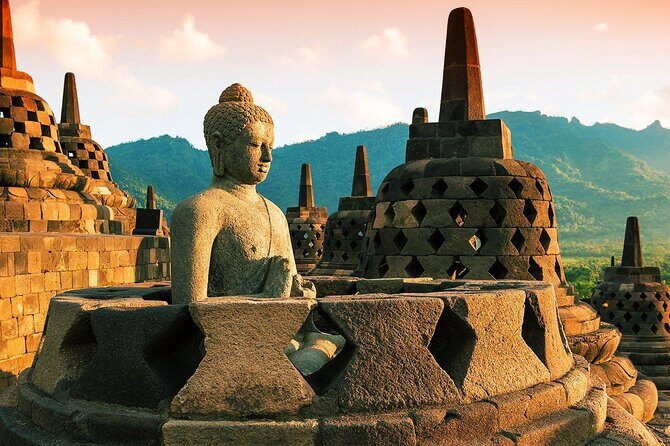
Day 1 is where the trip grabs your attention fast. You start with a pickup from your hotel in Yogyakarta, then head to Borobudur.
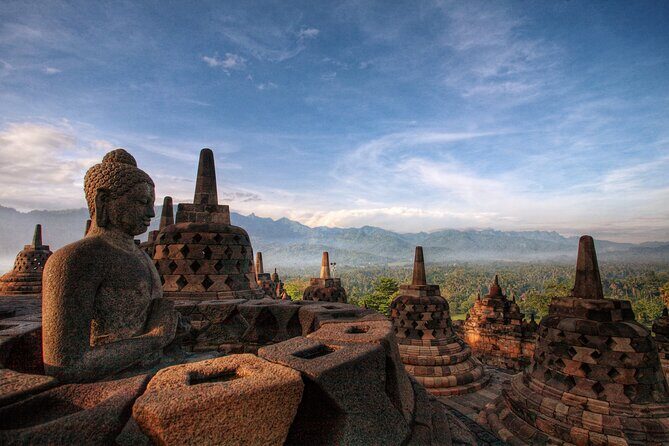
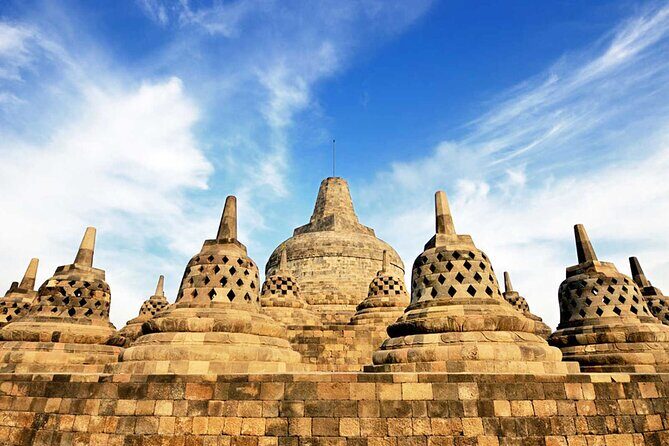
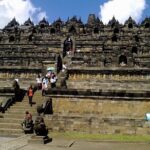
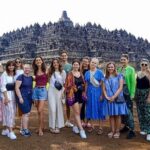
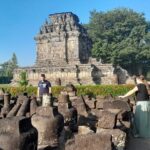
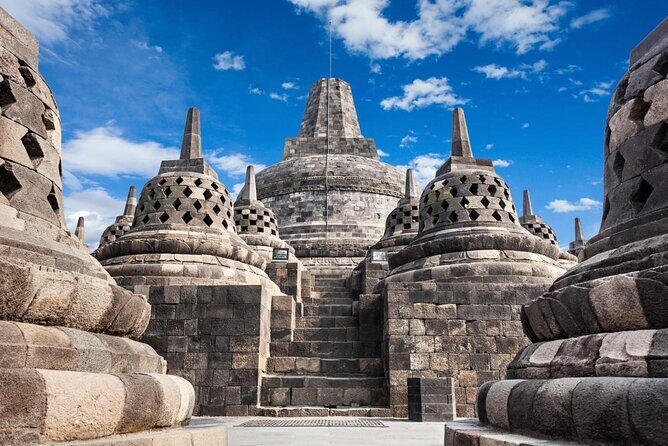
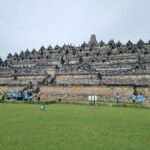
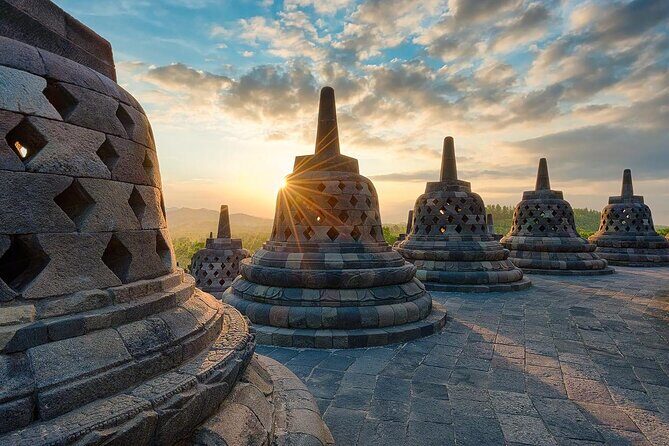
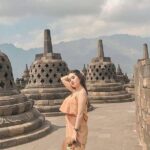
Borobudur is the big one: a massive Buddhist monument and one of those places that rewards being there in the right light. The plan includes sunrise timing, and you’ll have admission taken care of. If you like architecture and symbolism, you’ll get plenty to study—especially because the schedule gives you focused time rather than a quick drive-by.
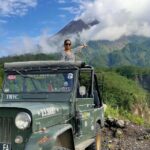
Next comes Merapi Volcano. This is not a scenic roadside viewpoint tour. You go by 4WD jeep off-road, which is exactly the kind of transport that makes you feel like you’re actually getting closer to an active volcanic area. The stop is designed around dawn when the air is fresher for early viewing, and admission is included.
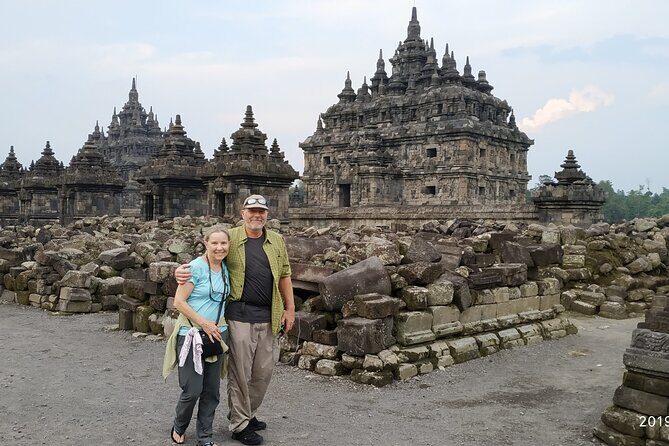
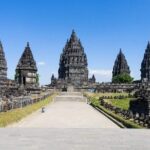
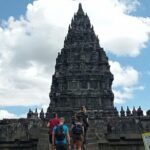
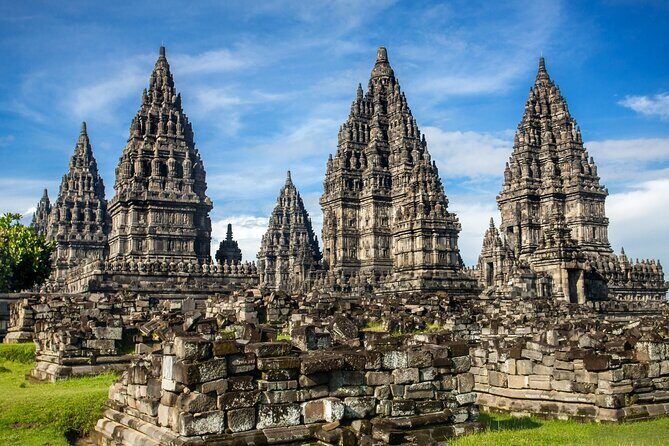
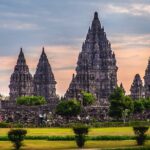
Finally you end with Prambanan, a major Hindu temple compound built in the 10th century and dedicated to Shiva. It’s a strong contrast to Borobudur: different religious architecture, different ornament style, and a different mood. The day’s arc goes from early light temple viewing to rugged volcano travel to the classic grand finish of Prambanan.
Day 2: Jomblang Cave rappels and the float-tire ride in Pindul
This day is about going underground—literally. From your Yogyakarta pickup, you head to Jomblang Cave to start the adventure portion.
Jomblang is known for a dramatic vertical cave experience, and the plan includes being outfitted with rappelling gear before you go down. This is one reason the tour is better as a package rather than DIY: the gear and on-the-ground guidance matter for safety and timing. You’ll have an admission ticket included, and the day is structured so you’re not stuck wondering how to manage the confusing parts.
After that, you move to Pindul Cave. Instead of rappelling, this is a different kind of motion. You ride through the cave on a float tire along the cave’s water route. The appeal here is contrast: one day you’re dealing with vertical drops and harnesses, and the next you’re floating through darker cave passages at a calmer pace.
If you’re the kind of traveler who likes variety—one day cultural monuments, one day cave action—this is a good match. If you hate wet or sweaty situations, you’ll want to plan for damp conditions since caves can be cool and humid.
Day 3: The long transfer into the Tumpak Sewu area (and why you should expect traffic)
Day 3 is a travel-heavy bridge day. You head toward Lumajang and the Tumpak Sewu waterfall region, with about a 7-hour travel block described. The tour notes the driver handles the notorious traffic along the way, which is important because this region is not usually close and easy.
Once you arrive, you settle into accommodation near the waterfall area. That matters because it sets you up to start fresh on Day 4 rather than losing time to another long overnight commute.
This is a good day to manage your energy. Don’t overbook yourself. You’ll likely be walking more than you think on the waterfall day ahead, and a calm evening helps.
More tours from Yogyakarta at Borobudur & Central Java
Day 4: Tumpak Sewu waterfalls, cave stop, and Nirwana Cliff
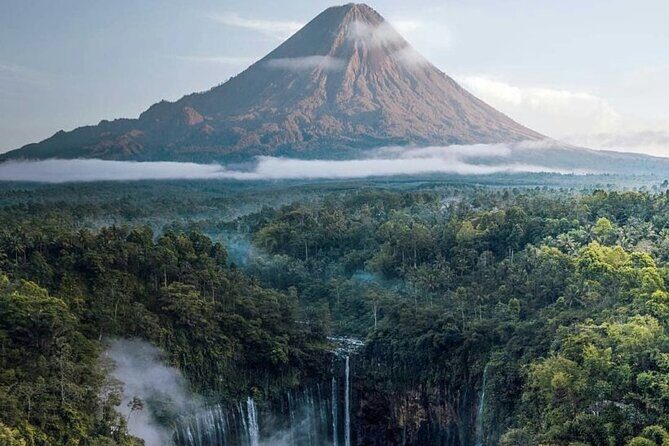
Day 4 is the big waterfall day. Tumpak Sewu is described as a waterfall with a wide, curtain-like formation, and it’s compared to Niagara Falls in how the water widens and drops. You’ll also spend time in the wider area, which the package frames as more than one viewpoint.
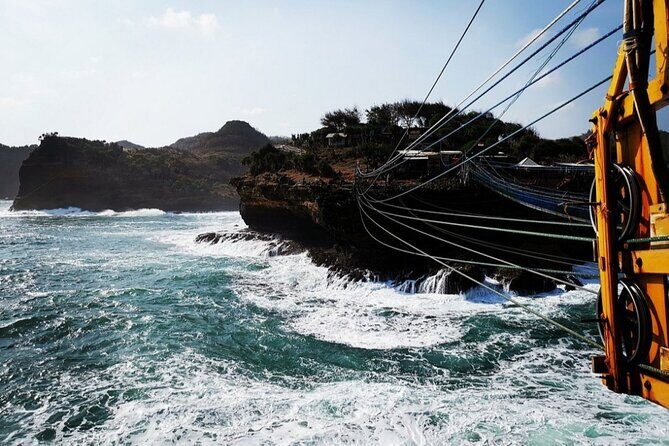
The experience includes the Tumpak Sewu waterfall area, plus a cave stop and Nirwana Cliff as part of the exploration. Admission is included for the programmed activities.
A practical note: waterfall areas often mean slippery footing and lots of short hikes or stair-like walking. Bring shoes with good grip, and plan for getting a bit wet even if it isn’t raining hard.
If you’re someone who likes photos, this is where you’ll collect them fast—because water shape changes with the weather and the angle you approach. And if you don’t care about photos, you’ll still enjoy the sense of scale.
Day 5: Bromo sunrise and the 4WD jeep advantage
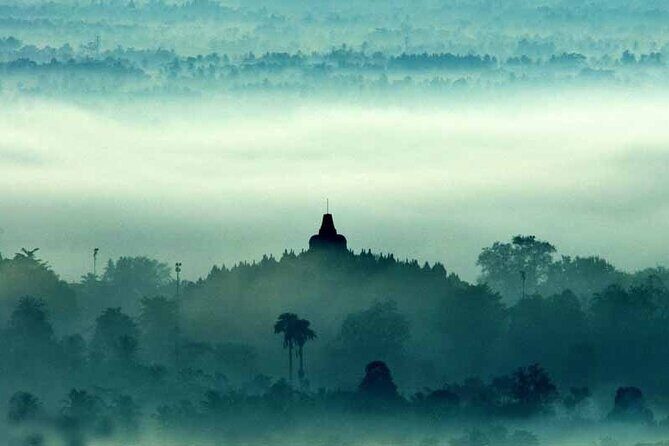
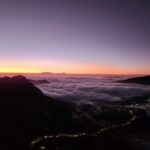
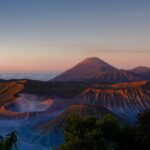
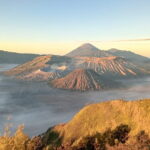
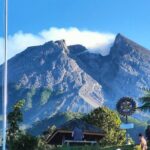
On Day 5, you go from waterfall energy to volcanic sunrise mode. The plan starts with an early wake-up and Mount Bromo sunrise viewing, inside Bromo Tengger Semeru National Park.
You’ll use the 4WD jeep arranged for the sunrise timing. That’s a major value piece because the viewpoints near Bromo are not the easiest place to manage with public transport at dawn. With a jeep approach in place, you’re less likely to lose your sunrise window to slow logistics.
This is the kind of morning that rewards patience. You’ll be outside before the crowds fully settle into place, and the light on the volcanic landscape is what makes the whole point of the stop.
Admission is included, and there’s guided support during the route. So while you’re up early, you’re not doing the stressful part—figuring out the schedule and routes yourself.
Day 6: Ijen blue fire at night, plus the gas respirator and flashlight
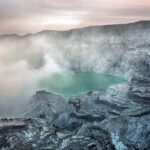
If the trip has one signature moment, it’s Ijen Crater and the blue fire. Day 6 starts in the middle of the night because the hike and viewpoint timing matter.
The plan states you head to Ijen, then hike up by walking to the crater top, guided by a trekking guide. You’re also provided with a gas respirator mask and a flashlight, plus the permit needed to access the blue fire area.
That combination is key. You’re not just watching a postcard scene—you’re in a hazardous environment, and the tour’s gear and permission handling make the experience possible. The gas respirator isn’t optional for the feel of the trip; it’s part of the safety structure.
You should also know the pace is physical. Night hikes at elevation need a steady rhythm. If you’re prone to headaches or get cold easily, bring layers and keep your breathing steady.
When you’re done, you’re not left stranded in East Java. The tour includes the drop-off at Bali port and the ferry ticket from Java to Bali, turning the day into a clean finish.
Where you stay: practical included hotels across East Java
Your lodging is part of the package and is spread across the key regions instead of one base city. You’ll have 1 night at Tumpak Sewu waterfall area, 1 night at Bromo, and 1 night at Banyu Wangi.
Why this matters: it reduces backtracking. Sunrise at Bromo needs early access, and the Ijen timing is so late-night/early-morning oriented that you don’t want to be traveling long distances the night before.
You also get breakfast (3), which is useful on a trip where the mornings can begin before typical breakfast hours.
I’d treat your hotel as a place to rest, not a destination in itself. The value is in the coverage of activities and timing.
The included support that makes or breaks a trip like this
This is not a “show up whenever you want” plan. It’s structured around guides, transfers, and tickets so you can focus on the sights, not the routing.
You get:
- A tour guide and driver support with English-speaking guidance
- Entrance fees for the stops on the program
- Trekking guide support for Ijen and the waterfall area
- Equipment and permits where they matter (especially Ijen)
One review highlight that I pay attention to is the feeling of being handled from start to finish, including airport pickup and ferry drop-off. That’s exactly the weak spot for many multi-day Java itineraries when you DIY it.
Also, the operator notes mobile ticket support, which can make day-of check-ins easier.
Who this tour is best for (and who should think twice)
This tour fits you if:
- You want a no-hassle circuit across Java’s major highlights
- You like early mornings and don’t mind a tough pace
- You want culture (Borobudur, Prambanan), then action (caves, waterfalls), then adventure (Bromo, Ijen)
You might want to think twice if:
- You prefer slow travel with long afternoons
- You hate night hikes or have mobility concerns (the itinerary includes a mid-night start for Ijen)
- You’re extremely sensitive to weather conditions since sunrise and blue fire depend on them
If you’re traveling as a group, the tour’s private setup can be a nice advantage. It’s also listed as suitable for most travelers, but I’d still be honest with yourself about the walking and early timing.
Two ways to do it: with or without extra Yogyakarta hotel days
There are two options. Option A includes 3 days hotel in Yogyakarta, with Day 1 as airport pickup and a relaxed buffer, then the trip starts Day 2, for a total of 7 days. Option B skips the extra hotel and starts Day 1 immediately, for a total of 6 days.
If you land and want time to recover before jumping into temples and volcano timing, Option A is the calmer choice. If you want the most efficient schedule and you’re okay jumping straight in, Option B keeps things tight.
Practical tips so you enjoy every day instead of just surviving it
Here’s how I’d prep based on what this itinerary demands:
- Shoes first. Waterfall areas and cave-adjacent walks can be slippery.
- Bring layers. Early starts and night hikes can feel cold even if the daytime is warm.
- Plan for damp. Caves and waterfall days can mean humidity and wet conditions.
- Treat sunrise days as workouts. You might not realize how much standing and walking happens until you’re there.
- Don’t stack extra plans. Use the included pacing. This route works because it’s paced.
One more tip: when you do manage the early timing, you’ll get better moods at each stop—clearer views, less stress, and more time to take in what you came for.
Should you book this Java to Bali circuit?
If you want the big Java highlights—Borobudur, Prambanan, caves, Tumpak Sewu, Bromo sunrise, and Ijen blue fire—in one organized sweep ending with Bali by ferry, this is a strong choice. The $790 price feels more reasonable when you look at what’s actually included: transport across long distances, accommodations, entry fees, guides, and the Ijen safety setup.
I’d book it if you’re ready for a busy schedule and you want your time in Java to be spent seeing, not solving logistics. If your travel style is relaxed and slow, you may feel rushed—especially with the night start for Ijen.
Either way, you’ll come away with a very specific kind of Java memory: temples at dawn, caves underground, waterfalls up close, then volcanoes under a dark sky.
FAQ
How long is the Borobudur & Prambanan – Bromo – Waterfall – Ijen tour?
The main version runs about 6 days. There’s also an option that adds extra Yogyakarta hotel time for a 7-day total.
What’s included in the price?
The package includes accommodation on Java (Tumpak Sewu area, Bromo, and Banyu Wangi), lunch, breakfast (3), entrance fees, all-inclusive transport, a 4WD jeep for Bromo sunrise, and the ferry ticket from Java to Bali, plus drop-off at Bali port.
Is the ferry to Bali included?
Yes. The tour includes the ferry ticket from Java to Bali and a drop-off at Bali port.
Do I need to buy tickets for Borobudur, Prambanan, and the other sites?
No. Entrance fees for the program are included.
What gear is provided for the Ijen blue fire hike?
You’ll be given a gas respirator mask and a flashlight, and the tour also includes the permit to access the blue fire area.
Is there an option to add hotel time in Yogyakarta?
Yes. Option A includes 3 days hotel in Yogyakarta, with airport pickup on Day 1 and the trip starting on Day 2. Option B starts the trip on Day 1 without the extra hotel days.