REVIEW · BOROBUDUR
Borobudur: Village Tour with Pottery and Tofu Making
Book on Viator →Operated by Jaker Tour Borobudur · Bookable on Viator
Clay bowls and batik, not just temples. This 2–3 hour Borobudur village tour takes you out from the main sights with a local guide, with stops at Gerabah Klipoh pottery village and a batik workshop area.
I like two things most. First, you get real hands-on pottery practice, not just a photo stop. Second, you also get food and drink tastings along the way, including tofu and coffee, which makes the craft feel connected to everyday life.
The main drawback is the pace. Each workshop stop is short, so if you want long, detailed training sessions, you’ll need to plan for extra time later.
In This Review
- Key highlights at a glance
- Beyond the temple: why this village tour feels more real
- Gerabah Klipoh pottery village: get hands-on with clay
- Batik practice in Tingal Wanurejo: learn the patterns, then try them
- Tofu, coffee, and snack tastings: the everyday side of artisanship
- Seeing Borobudur from the village side
- Group tour setup: what 2–3 hours feels like
- Price and value: is $79 a good deal for this style of tour?
- Who this Borobudur village tour is perfect for
- Quick booking checklist before you go
- Should you book this tour?
- FAQ
- How long is the Borobudur village tour?
- What does the tour cost?
- What is included in the price?
- Are entrance fees included?
- Will I get to practice pottery and batik, or only watch?
- Where does the tour start and end?
- Is this tour private?
- Is it near public transportation?
- What is the cancellation policy?
Key highlights at a glance

- Gerabah Klipoh pottery village with admission included at the pottery stop
- Hands-on making, where you learn the steps and try the process yourself
- Batik workshop time at the Tingal Wanurejo Borobudur Magelang area
- Tofu and snack tastings that turn the tour into more than just watching
- A local guide who lives near the temple area and can explain the why, not only the what
Beyond the temple: why this village tour feels more real
Borobudur is famous for its monument. But the villages around it are where you see the rhythm of daily life—how people earn a living, teach skills to family, and keep traditions alive in small workshops.
What makes this tour practical is that it gives you more than scenery. You’re moving from pottery making to batik practice, with time for small breaks and village introductions from a guide who knows the area up close. You’ll also get bottled water during the tour, so you can focus on the work instead of hunting for drinks.
I also like that the tour is built for a short time window. In about 2–3 hours, you can get a meaningful cultural hit without feeling like your entire day got locked into transportation and long ticket lines.
More Village & Cultural experiences at Borobudur & Central Java

Gerabah Klipoh pottery village: get hands-on with clay
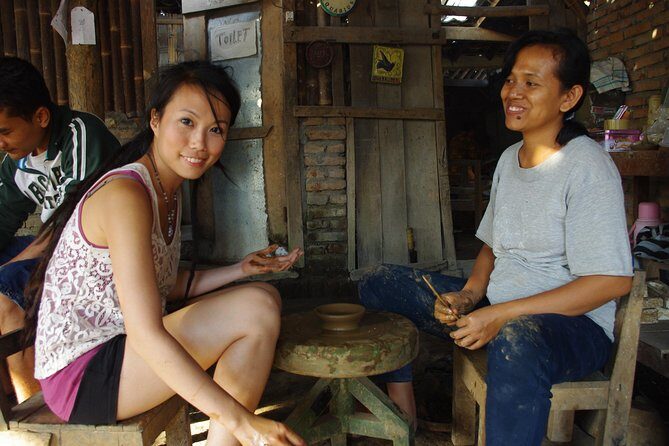
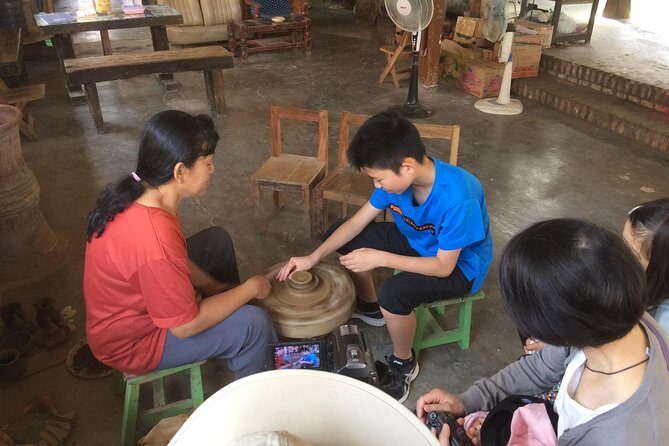
Your first stop is Gerabah Klipoh, a pottery-focused village. This is where the tour starts to feel different from a typical sightseeing loop, because you’re not just looking at finished objects—you’re watching claywork methods and then practicing to create something yourself.
This pottery stop is scheduled for about 40 minutes, and it includes the admission ticket for that part. In other words, you’re not left guessing whether you’ll be charged extra once you arrive. For many people, that’s the biggest value point here: you pay for the experience and the first workshop step is already covered.
Expect the workshop to be hands-on, with guidance on how to handle the material and how the process works. You’ll likely notice how much pottery is about patience and small movements—spinning, shaping, and finishing in stages rather than one big action. It’s the kind of activity where you learn by doing, and you come away with a clearer sense of why these items have specific forms.
One practical consideration: because the time is limited, you won’t get unlimited attempts. If you’re the type who loves perfecting each step, go in with a mindset of learning the basics and enjoying the practice rather than chasing a flawless final result.
Batik practice in Tingal Wanurejo: learn the patterns, then try them
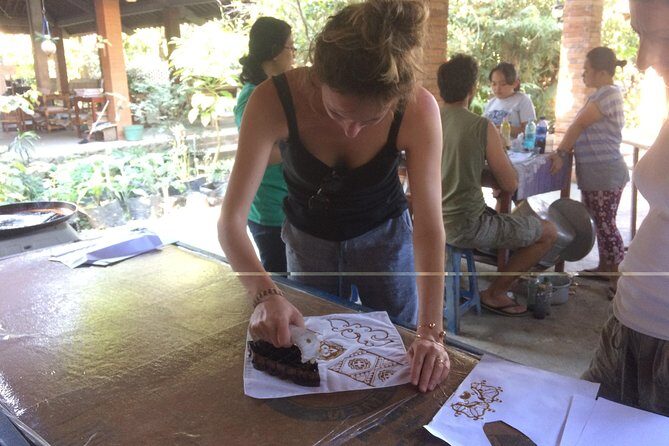
The second stop takes you to the Tingal Wanurejo Borobudur Magelang Jawa Tengah area. Here, the focus shifts from clay to batik—an art form people use for clothing, gifts, and local identity.
This part runs about 30 minutes. It’s a shorter session than the pottery stop, and importantly, the admission ticket for this stop is not included. That means you should budget for any workshop entry or materials fee that may apply at the batik location.
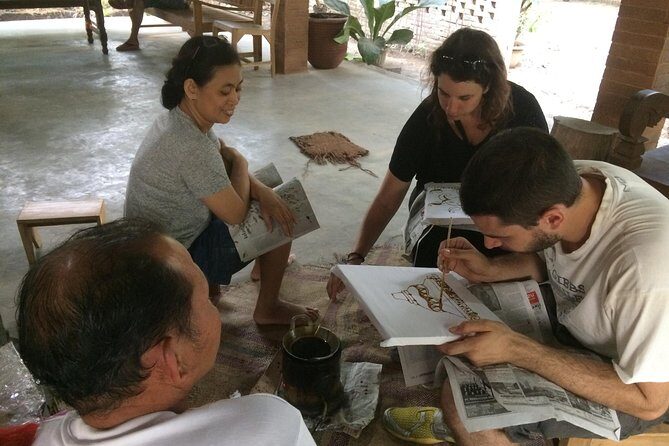
Still, even at 30 minutes, the goal is learning and trying. You’ll have a chance to practice the craft, not just watch someone else do it. Batik often looks simple from afar—patterns, lines, repetition—but up close it’s all about control and care, especially when you’re handling the tools and working with pattern planning.
If you’re deciding between tours, this stop is worth it because it balances the whole experience. Pottery teaches you shape and form. Batik teaches you design and patience. Together, they make the tour feel like a genuine craft day, not two unrelated photo stops.
Tofu, coffee, and snack tastings: the everyday side of artisanship
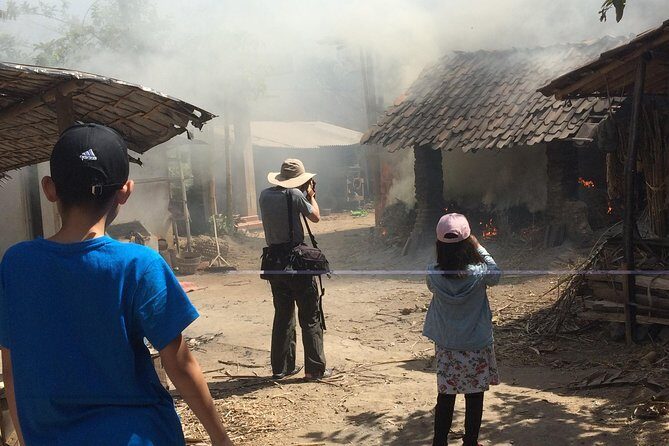
This tour isn’t only about making objects. It also includes food and drink tastings that connect the craft villages to what people eat and sell.
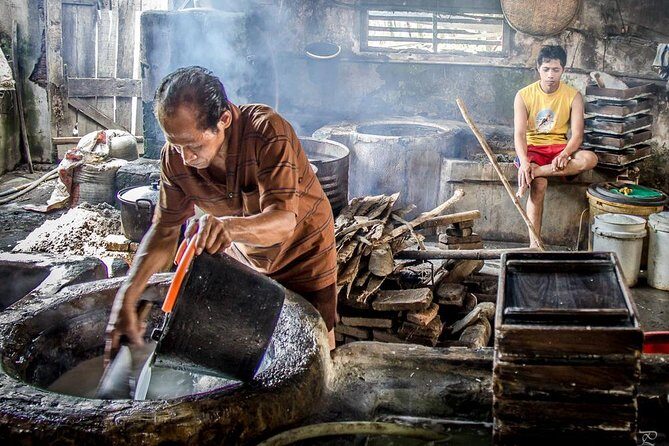
The tour experience you can expect includes tastings like artisanal tofu and coffee, plus artisanal rice snacks. These might feel like small add-ons, but they’re actually useful. They help you see that village workshops aren’t separate from daily life—they’re part of a broader local economy: meals, markets, and hospitality.
Why this matters: when you taste what locals eat, you stop treating the tour like a checklist. You start asking better questions, like what ingredients are common, where families buy supplies, and how food traditions travel alongside crafts.
Also, these tastings can be a good energy reset during a compact 2–3 hour route. You’ll be moving between stops, and having something to sip or nibble helps you stay comfortable instead of just waiting for the next activity.
Seeing Borobudur from the village side
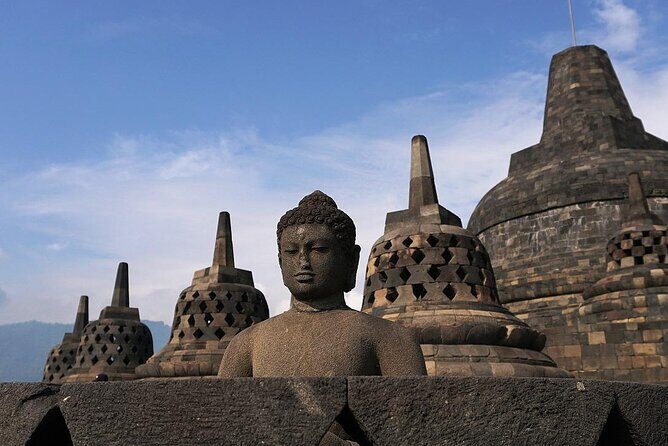
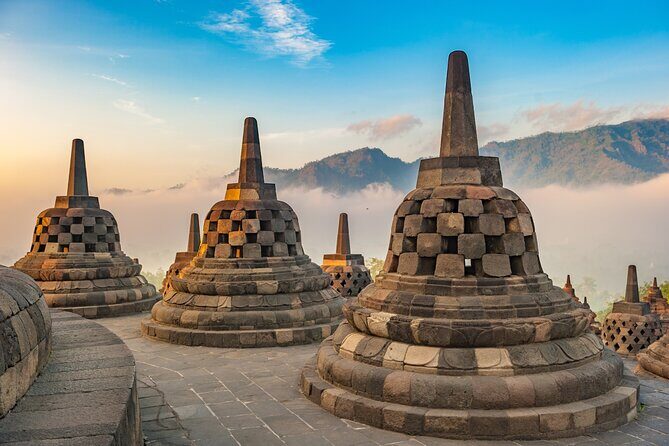
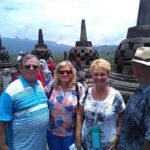
A key part of the experience is how you get to see Borobudur even while you’re working in nearby villages. The tour includes the chance to see the temple area, guided by locals who live near it.
This is a good way to get a different angle on Borobudur. From the villages, the temple doesn’t feel like a standalone attraction. It feels like the centerpiece of a region where people build, trade, and work around the cultural gravity of the monument.
Even if you plan to visit the temple later with more time, this guided glimpse can help you get oriented. You’ll come away with a better sense of what’s around the monument and why villages developed where they did.
Just remember: the tour is short and workshop-focused. The temple viewing is part of the route, not a full guided temple visit.


Group tour setup: what 2–3 hours feels like
This is a private tour for your group, so you won’t be mixed into a huge crowd. That typically makes it easier to ask questions and to adjust at least a little if you need more time at a stop.
The schedule is intentionally tight:
- Pottery village: about 40 minutes
- Batik stop: about 30 minutes
Plus walking, explanations, and short landmark pauses.
That timing matters. It means the tour is best for people who want a focused cultural experience without committing to half a day or more. It also means you should expect the workshops to be “learn and try” rather than “master the craft.”
If you hate rushing, pair this with one slower plan later—either another workshop with longer time or a temple visit when you can linger.
Price and value: is $79 a good deal for this style of tour?

At $79, you’re paying for guided village access, a workshop-focused itinerary, and bottled water included. You’re also paying for the benefit of local explanation—how these villages work and why these crafts matter to people living near Borobudur.
Here’s the value breakdown that matters most:
- Pottery admission is included at the first stop
- Batik admission is not included
- A guide leads the route between villages
- You get hands-on practice plus tastings like tofu, coffee, and snacks (as part of the tour experience)
So the real question isn’t just the base price. It’s how much workshop time you value. If you want to touch the craft and try it yourself—then $79 can be a fair deal for the time you get.
If you mostly want deep instruction or want to buy finished souvenirs with lots of browsing time, you might find the schedule too short and the extra workshop admission costs add up. In that case, you’d be better off planning a longer, more flexible workshop day.
Who this Borobudur village tour is perfect for
This tour fits best if you fall into one of these groups:
- You want more than temple photos and you like village life
- You’re curious about crafts and want to actually try the process
- You like small tastings because it turns culture into something you can feel
- You want a short day plan that still teaches you something real
It may feel less ideal if you:
- Need long, uninterrupted studio time
- Hate switching activities every half hour
- Only care about a full temple walkthrough (since temple time here is limited to route viewing)
Quick booking checklist before you go
To make this experience smoother, I’d plan around these realities:
- You should expect workshop time to be short at each stop
- Bring a little flexibility for extra costs at the batik workshop since admission there isn’t included
- Wear comfortable clothes you don’t mind getting a bit dusty during pottery practice
- Bring your own camera habits: you’ll want photos, but you’ll also want to keep your hands free while learning
Also, this tour begins and ends back at the meeting point. Knowing that helps you plan what you’ll do next without guessing logistics.
Should you book this tour?
I’d book it if you want a “Borobudur region” experience that goes beyond the monument and into the working villages around it. The best part is the mix: hands-on pottery at Gerabah Klipoh, batik practice at the Tingal Wanurejo area, and simple tastings like tofu, coffee, and rice snacks that make the day feel human.
Skip it if you’re hunting for long workshops, a full temple guide, or lots of free time to wander on your own. This is a compact, skill-try tour. If that’s your style, it’s excellent value for a short visit.
FAQ
How long is the Borobudur village tour?
It runs about 2 to 3 hours.
What does the tour cost?
The price is listed as $79.
What is included in the price?
Bottled water is included.
Are entrance fees included?
Pottery stop admission at Gerabah Klipoh is included, but admission fees for the batik stop are not included.
Will I get to practice pottery and batik, or only watch?
You’ll learn, practice, and make your own item during the pottery village visit, and you can also learn and practice during the batik stop.
Where does the tour start and end?
It starts at Jl. Balaputradewa No.55, Dusun XVI, Borobudur, Kec. Borobudur, Kabupaten Magelang, Jawa Tengah 56553, Indonesia and ends back at the same meeting point.
Is this tour private?
Yes. Only your group will participate.
Is it near public transportation?
Yes, it is listed as near public transportation.
What is the cancellation policy?
You can cancel for free up to 24 hours in advance for a full refund. If you cancel less than 24 hours before the start time, the amount paid is not refunded.